A Brief History of Pamukkale & Hierapolis
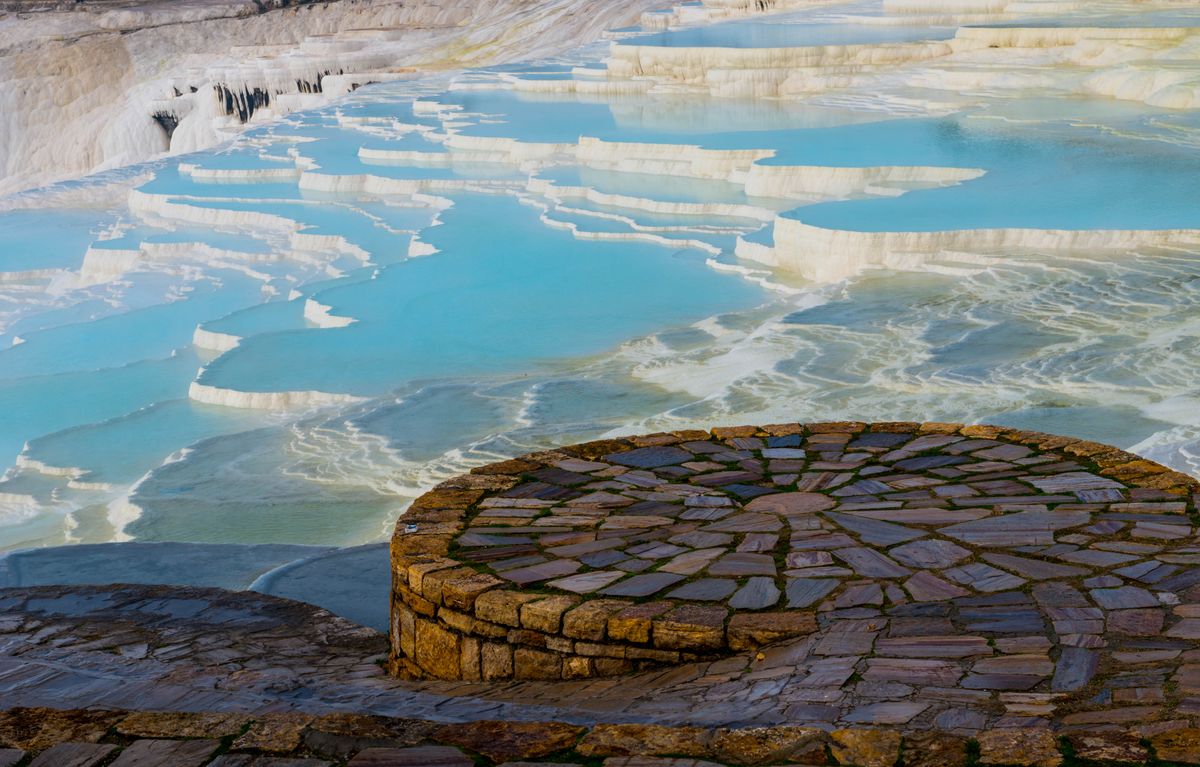
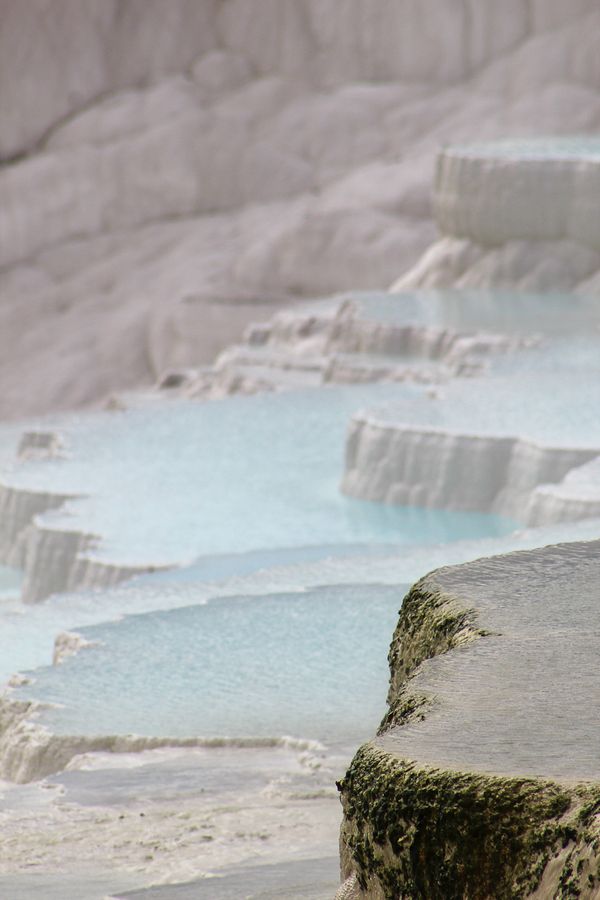
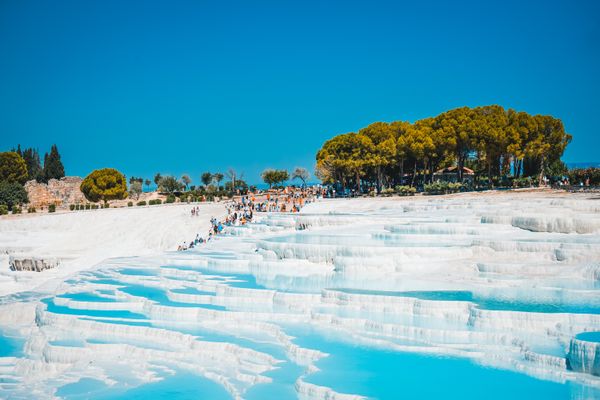
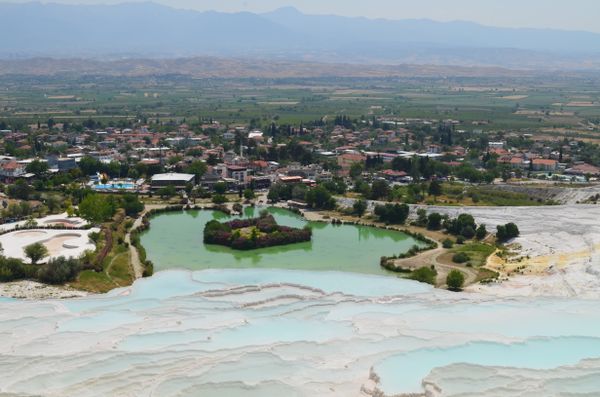
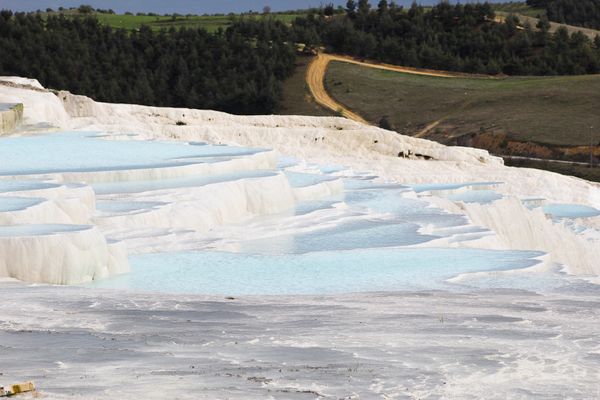
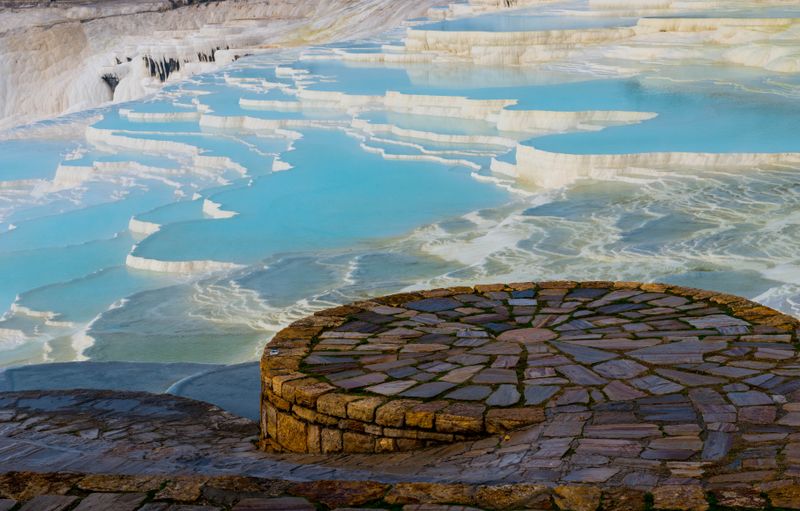
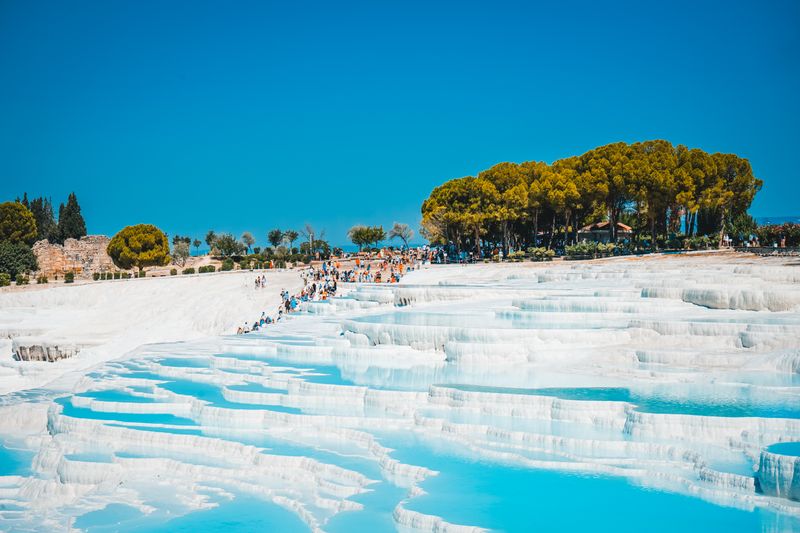
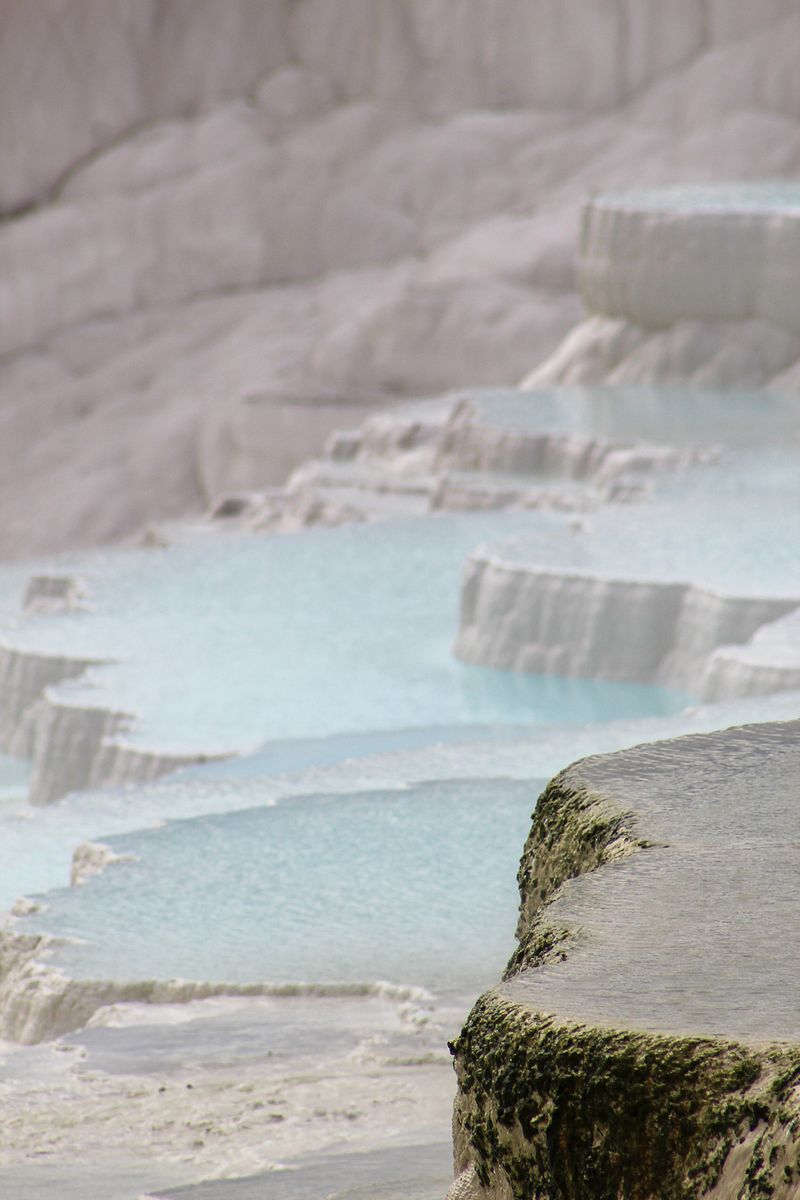
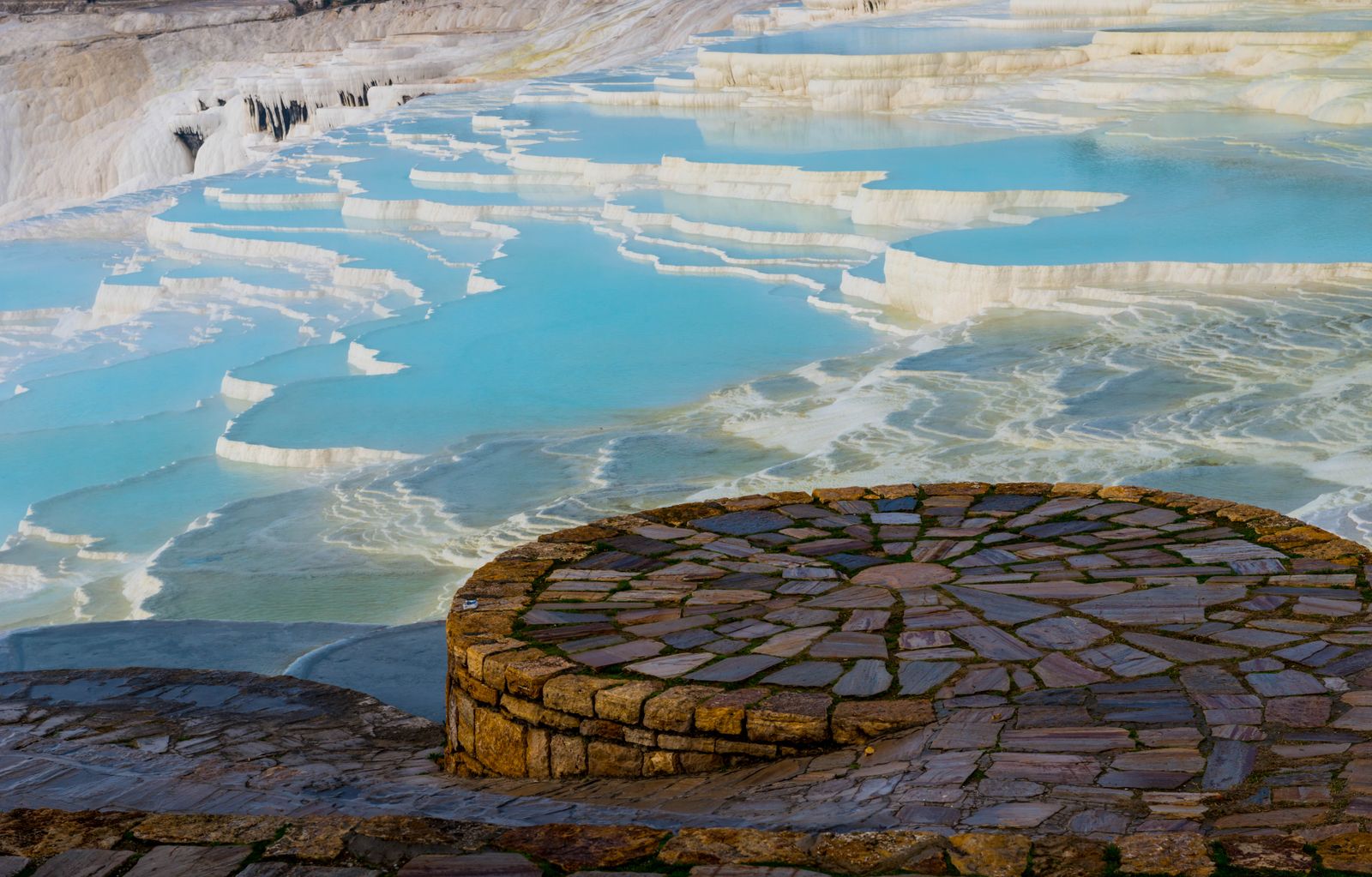
The travertines of Pamukkale were formed over hundreds of thousands of years, as calcium-rich thermal water rose from the earth, cooled and deposited soft white calcium carbonate that slowly hardened into the dazzling terraces we see today. People have been drawn to these warm mineral springs since antiquity, long believing in their healing powers.
Around 190 BC the Hellenistic kings of Pergamon founded the spa city of Hierapolis on the plateau above the terraces. Under Roman rule it flourished as a celebrated health resort, with grand thermal baths, a great theatre, temples and one of the largest ancient necropolises in Anatolia. A powerful earthquake in 60 AD destroyed much of the city, which was then rebuilt in the elegant Roman style whose ruins still stand today.
In the Byzantine era Hierapolis became an important Christian centre, linked to the Apostle Philip, who is believed to have been martyred here. After repeated earthquakes the city was gradually abandoned by the 14th century and slowly reclaimed by the white travertines. In 1988 Pamukkale and Hierapolis were together inscribed on the UNESCO World Heritage List, honoured for both their extraordinary natural beauty and their cultural importance.